Sound as Infrastructure: How Urban Green Spaces Are Being Redesigned to Heal Minds and Attract Wildlife
Photo: Herbertkikoy, CC BY-SA 4.0, via Wikimedia Commons
When most Americans think about the design of a city park, they envision benches, walking paths, perhaps a fountain or a stand of mature trees. Rarely does the conversation begin with sound. Yet an expanding field of research is making the case that acoustic environment — what we hear, how loudly, and with what biological richness — may be among the most consequential variables in determining whether an urban green space functions as genuine refuge or merely decorative greenery.
The discipline has a name: acoustic ecology. And in its urban application, it is beginning to reshape how landscape architects, public health researchers, and municipal planners think about the relationship between vegetation, biodiversity, and human well-being.
The Problem Beneath the Noise
Urban noise pollution is not a new concern, but its biological costs are only now being fully quantified. Research published in environmental health journals over the past decade has linked chronic exposure to elevated urban noise — traffic, construction, HVAC systems, crowd density — to elevated cortisol levels, disrupted sleep architecture, increased cardiovascular risk, and measurable declines in cognitive performance. For residents of dense American cities, these are not abstract risks. They are daily physiological realities.
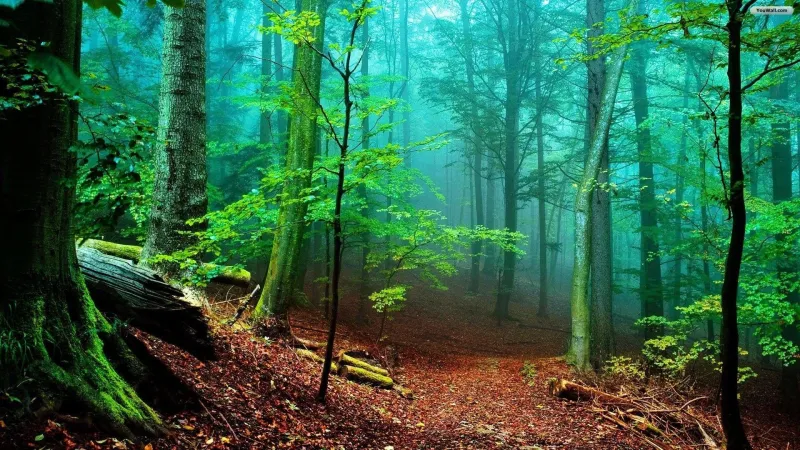
What is less commonly understood is that the problem is not merely the presence of loud sound, but the absence of the biological sounds that the human nervous system evolved alongside. Researchers studying restorative environments have identified what they call the "biophilic acoustic baseline" — a spectrum of natural sounds, including birdsong, rustling foliage, moving water, and insect activity, that appear to activate the parasympathetic nervous system and reduce markers of psychological stress in measurable ways.
When that baseline is absent or overwhelmed by anthropogenic noise, the urban green space loses much of its restorative potential, regardless of how visually appealing it may be.
Engineering the Soundscape
The practical question for designers is whether soundscapes can be deliberately constructed — and the evidence increasingly suggests they can. Several American cities are now piloting projects that treat acoustic environment as a design specification rather than an afterthought.
In Portland, Oregon, urban forestry initiatives have begun incorporating what planners call "acoustic buffering corridors" — dense plantings of multi-layered native vegetation positioned to attenuate traffic noise before it penetrates park interiors. The approach draws on acoustic physics: broad-leafed deciduous species such as native oaks and maples absorb and scatter sound waves more effectively than ornamental plantings, while dense understory shrubs like serviceberry and native viburnums create a secondary diffusion layer closer to ground level.
In Minneapolis, the park system has experimented with the strategic placement of recirculating water features not simply as aesthetic elements but as acoustic anchors — consistent sources of broadband natural sound capable of masking lower-frequency traffic noise while simultaneously attracting migratory and resident bird species that use water sources as foraging and orientation cues during urban transit.
These are not radical interventions. Their sophistication lies not in technological novelty but in the intentional application of ecological and acoustic science to what has historically been an intuitive design process.
What the Neuroscience Is Showing
The neurological case for biodiverse soundscapes is becoming increasingly difficult to dismiss. Researchers at institutions including the University of Michigan and Stanford's Center for Conservation Biology have used both self-reported psychological measures and physiological biomarkers to study how natural acoustic environments affect urban populations.
Among the more consistent findings: exposure to environments with high acoustic biodiversity — defined as the variety and density of biological sound sources — correlates with greater reductions in perceived stress, anxiety, and mental fatigue than exposure to visually similar but acoustically impoverished spaces. In other words, a park that sounds alive produces measurably different neurological outcomes than a park that merely looks green.
One mechanism researchers point to is the relationship between birdsong specifically and attentional restoration. The unpredictable, variable nature of avian vocalizations appears to engage what psychologists call "soft fascination" — a low-demand attentional state associated with mental recovery — in ways that steady-state sounds, including white noise, do not. This has significant implications for how parks are planted and managed: a landscape that supports diverse bird communities is not only ecologically valuable but neurologically functional.
The Biodiversity Connection
What makes urban acoustic ecology particularly compelling from a sustainability standpoint is the degree to which human health outcomes and ecological health outcomes are aligned rather than competing.
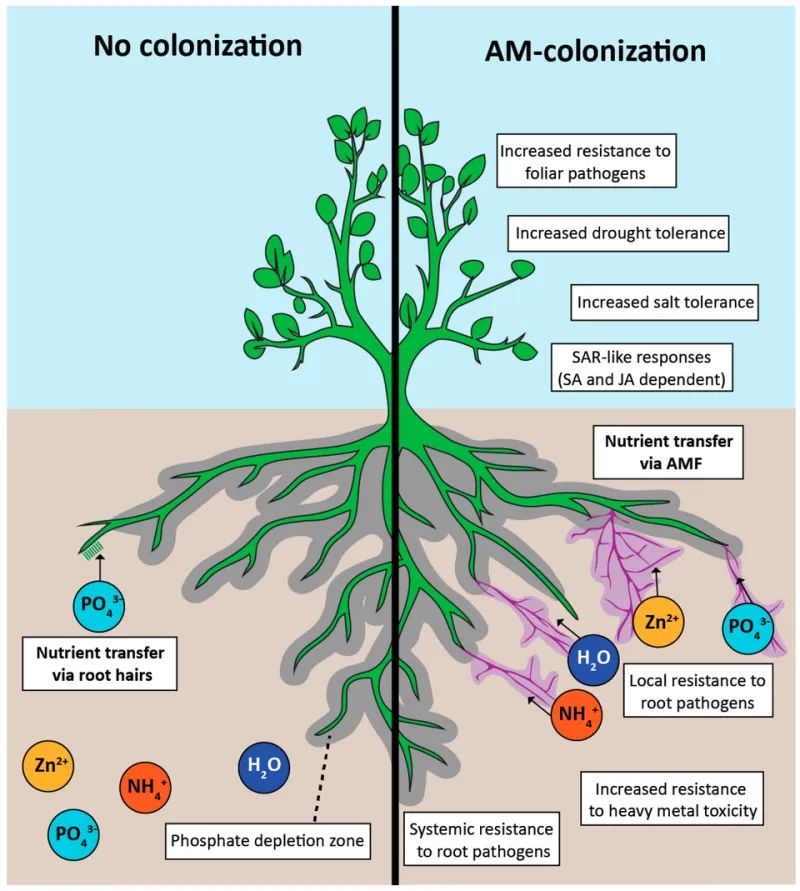
The same design choices that create healing soundscapes for city residents — native plant diversity, layered vegetation structure, water features, reduced impervious surface — also create the habitat conditions that attract and sustain native wildlife. Native insects require native host plants. Native birds require native insects. The acoustic richness of a park is, in a very direct sense, a proxy for its ecological integrity.
This means that designing for sound is designing for biodiversity, and designing for biodiversity is designing for human health. The feedback loop is positive and mutually reinforcing in ways that more siloed approaches to urban greening rarely achieve.
Conversely, the acoustic poverty of many American urban parks — dominated by mown turf, ornamental non-natives, and hard surfaces — reflects and perpetuates ecological poverty. These spaces are quiet not because they are peaceful, but because they support little life.
Barriers and the Path Forward
Despite the growing evidence base, acoustic ecology remains a peripheral consideration in most American municipal planning processes. Noise ordinances focus almost exclusively on limiting decibel levels rather than on cultivating biological sound. Park design specifications rarely include acoustic performance metrics. And the profession of landscape architecture, while increasingly attentive to ecological function, has yet to widely adopt acoustic analysis as a standard design tool.
Advocates within the field argue that the path forward requires both professional education and policy change. Several organizations are now pushing for the inclusion of acoustic biodiversity indices — quantitative measures of biological sound diversity — in urban green space assessments, alongside more familiar metrics like tree canopy coverage and impervious surface ratios.
Some municipalities are beginning to respond. New York City's recent updates to its urban forest master plan include language acknowledging the relationship between vegetation diversity and acoustic environment, a modest but meaningful shift in institutional framing.
Listening as a Design Act
There is something instructive in the idea that cities might be made healthier not only by what is built, but by what is heard. Sound is invisible infrastructure. It passes through walls, crosses property lines, and enters the body without invitation. Managing it — or more precisely, cultivating its biological richness — requires a fundamentally different relationship between urban design and the living systems it either supports or suppresses.
The science of acoustic ecology is asking American cities to listen more carefully to what their green spaces are — and are not — saying. For the millions of urban residents whose mental health depends on access to genuinely restorative environments, and for the native species that have been quietly disappearing from our parks for decades, the answer to that question carries real weight.